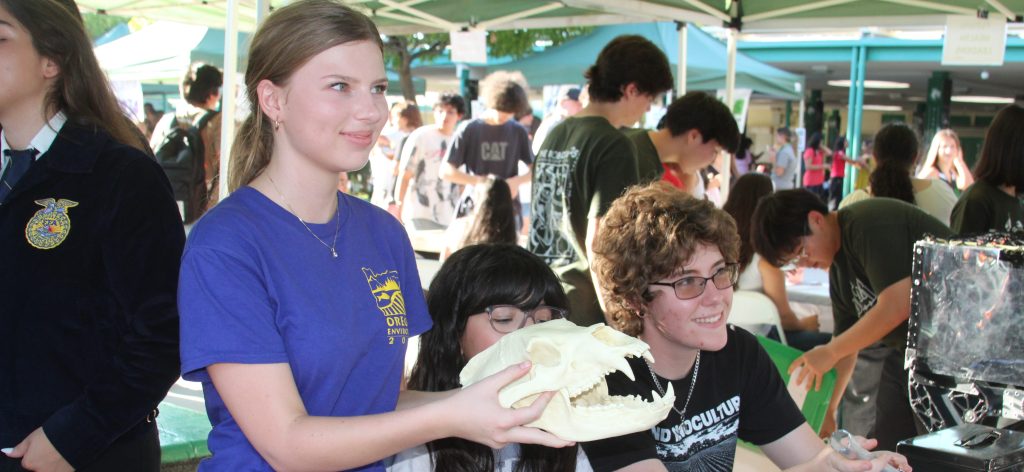
For years, being called a “nerd” was the furthest thing from a compliment. It could mean being the student who always had their hand raised, spent their free time reading comics, or knew way too much about a fictional universe. Nerds were often seen as different—and not always in a positive way. Today that idea is changing.
Initially, the word “nerd” was a term closely associated with academics and/or being exceptionally smart. Over time, the word’s definition has changed. Today, being called a nerd is less of an insult or measure of how well they do in school, but a level of passion for a specific hobby.
The “nerd mentality” is becoming increasingly normalized, given the mainstream rise of media like Marvel movies, “Jujutsu Kaisen,” “Doki Doki Literature Club,” and “Pokémon”. Interests that were once considered “uncool” are now everywhere.
So what exactly makes someone a nerd?
Being a nerd means having a passion for something and not being afraid to show it. A nerd might be someone who knows every “Hunger Games” movie by heart, spends hours playing Minecraft, collects vintage stamps, or simply enjoys learning.
Celebrities have embraced this shift as well, further helping nerd culture become mainstream. Rapper Megan Thee Stallion cosplayed Mirko from the anime “My Hero
Academia” and Olympic Track Star Noah Lyles posed with his Yu-Gi-Oh! Cards, for example. When celebrities openly show their interests having nerd-like qualities, it becomes less of something to hide, and more of something to celebrate.
This cultural shift is also noticeable among students, like junior Daniel Lopez who remembers when his interests were negatively perceived.
“I was teased and bullied in sixth grade for liking Spider-man because it was too childish,” Lopez said. “But of course as time went on, people started normalizing liking superheroes and I haven’t gotten teased since sixth grade.”
A sense of belonging may be one reason nerd culture has become so popular. This shift is heavily fueled by internet culture where collective online followings can turn a niche hobby into a viral sensation overnight. Digital communities gave fans a space to share art, theories, and memes creating a visible subculture. Instead of hiding the things that make them different, more people are finding communities where those differences are appreciated.
Still, the fact that these interests have become so widely accepted represents a major change in how being a nerd is viewed. What was once used as an insult can now describe someone who is simply passionate about what they love. Whether it is academics, superheroes, or video games, being a nerd today is less about being an outsider and more about being genuinely interested in something.

Being a “nerd” has become the newest cool trend
For years, being called a “nerd” was the furthest thing from a compliment. It could mean being the student who always had their hand raised, spent their free time reading comics, or knew way too much about a fictional universe. Nerds were often seen as different—and not always in a positive way. Today that idea…