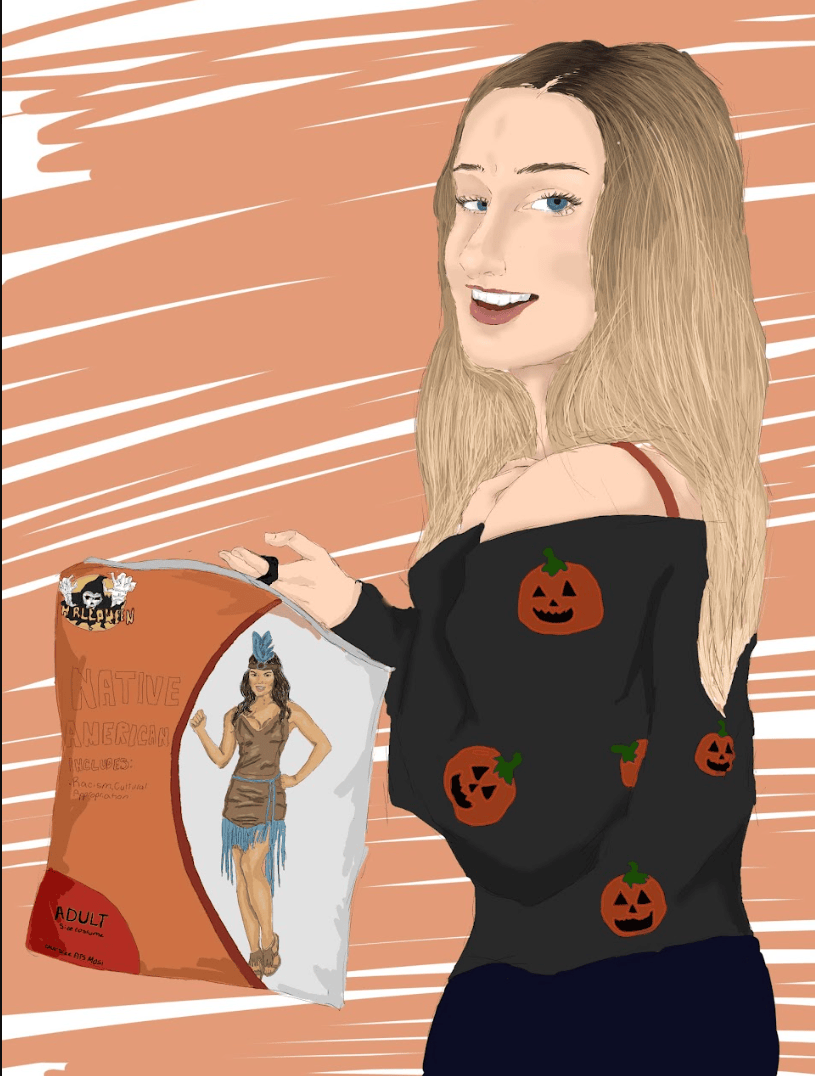
Walk into any pop-up store this October, and you will find rows of mass-produced outfits glorifying characters whose entire cinematic existence are defined by agonizing trauma.
This is not just harmless holiday fun.
The commercialization of horror media through disposable costumes represents a growing cultural desensitization to human suffering, where a movie’s deepest warnings are erased for retail profit. As consumers gear up for Halloween, a growing movement of media literacy advocates are calling for greater consumer mindfulness.
Historically, horror classics used terror to hold up a mirror to societal fears. Classics like “The Exorcist “(1973) exposed the psychological destruction of a family and the national crisis regarding faith, while “The Texas Chainsaw Massacre” (1974) captured the grim realities of rural isolation.
Today, modern consumers wear the mask of Leatherface or buy Regan’s vomit stained costume without spending a single second thinking deeply about the traumatic messages those films originally shared. This consumer habit has accelerated in recent years, blurring the line between edge-of-your seat entertainment and genuine human exploitation.
As the primary target audience for modern horror, teenagers are caught right in the center of this empathy crisis. When the media transform a deeply traumatized character like Nikki from “Obsession “(2025) into a stylized pop-culture “good for her” icon, her agony is sanitized to make room for retail sales.
“I think it is weird that people would dress up as someone who gets violated the entire movie,” junior Elena Shukla said. “Halloween should be fun, but dressing up as ‘Freaky Nikki’ when she is under the spell isn’t the same as dressing up as a monster like Dracula.”
Instead of processing the actual weight of the story, the character’s suffering is instantly reduced to a shallow, fast-fashion gimmick. This shift distorts traditional boundaries, forcing a re-evaluation of where Halloween fun ends and when exploitation begins.
The root of the problem lies heavily in modern media consumption habits, which treats trauma as a product. Retail companies mass-produce these outfits within days of a movie’s release, making it easy to purchase a trend without engaging with the substance of the art.
Fixing this cultural desensitization does not mean banning horror movies or canceling Halloween. Instead, the solution lies in active media literacy and consumer mindfulness.
Although changing an entire society’s consumption habits is a massive hurdle, the solution starts with personal awareness. Before buying a costume, consumers should ask themselves a simple question, “Am I dressing up as a scary, supernatural concept, or am I wearing a character’s stimulated trauma as a cheap outfit.”
By demanding better media literacy and choosing empathy over fast-fashion trends, consumers can respect the true messages behind the media they watch and push back against the exploitation of tragedy.