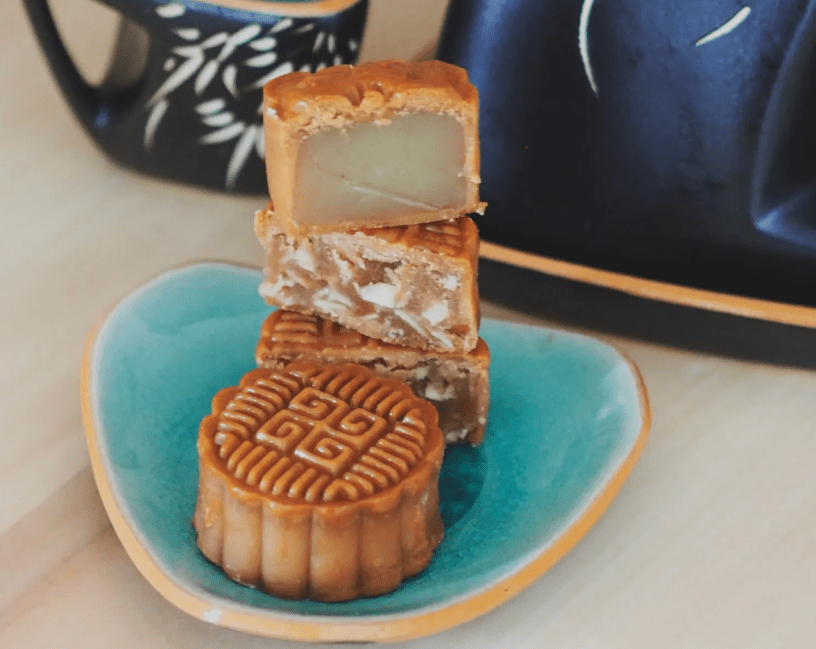
Photo courtesy of Alexa Soh, via Unsplash
By Patricia Fontejon
The Mid-Autumn Festival, often referred to as the Mooncake Festival, is fast approaching. During this time, families come together for this nighttime celebration to enjoy mooncakes, lantern parades, storytelling, and tea ceremonies. This celebration is also referred to as the Festival of Reunion since the full moon is a sign of family reunion in Chinese culture.
The festival is both a religious and cultural holiday that observes the conclusion of the autumn harvest. Along with the Dragon Boat Festival, Lantern Festival, and Lunar New Year, it is one of the most well-known Chinese holidays. The Mooncake Festival is held on the 15th day of the eighth month according to the Chinese lunar calendar. It is observed by people of Chinese heritage in many countries including mainland China, Vietnam, Taiwan, Malaysia, and other Asian nations.
“I do celebrate it but not traditionally,” junior Sophie Chen said. “I’m more modern in my celebration. When I say modern, I mean we get a mooncake and get dinner as a family. We celebrate it because it’s important to remember our culture and I’m happy to partake in this tradition. I think it’s a good way to remember your roots and spend time with your family, and to an extent, you do need to know the history and stories, especially in Chinese culture.”
The veneration of the moon has long played a significant role in East Asian societies. The festival began more than 2,000 years ago when it was celebrated in the hopes that the crops the following year would be plentiful.
There are many rumors and speculations as to the origins of the festival. It is believed at first to have originated from the moon goddess. The moon goddess, Chang’e, is known for stealing the elixir of immortality from her husband Hou Yi. Chang’e drinks the potion, becomes immortal, and flees to the moon. Yi looked at the moon every night in order to see her. Each year, he would make a round-shaped cake laid out on an altar below the full Autumn moon to celebrate her sacrifice and love. The circular shape of the mooncake represents completion and reunification. This romantic ceremony became the festival many people celebrate today.
Chang’e is known for prolonging marital bliss for couples, explaining why the Mid-autumn Festival was originally believed to be a time for weddings. It was also a time to celebrate the successful harvest of rice and wheat while making food offerings to the moon.
Today, mooncakes, watching the moon (a symbol of harmony and unity), and lighting lanterns are still traditions for outdoor gatherings of friends and family. In order to start their unity as a family, families also frequently eat and exchange round mooncakes throughout the festival week.
“We celebrate this festival to keep our Chinese heritage alive,” senior Jersey Concepcion said. “This is one of our traditions that we introduce and share with our non-Chinese friends in honor of good harvest and fortune. We play the ‘Dice Game’ with family and friends where we roll dice and win a prize. After that, we usually have a potluck of Chinese food and mooncakes.”
Throughout diverse Asian groups, the celebration is significant from a cultural and social standpoint. The celebration itself has a rich history and folklore base, and the act of friends and family uniting shows how important family is. It not only protects cultural heritage but also promotes a sense of community and respect for one’s origins.
The Mooncake Festival continues to be an essential part of fostering cultural identity and multigenerational harmony because it is a time for self-analysis, appreciation, and solidarity.
 The Plaid Press