By Arianna Avitia-Gutierrez
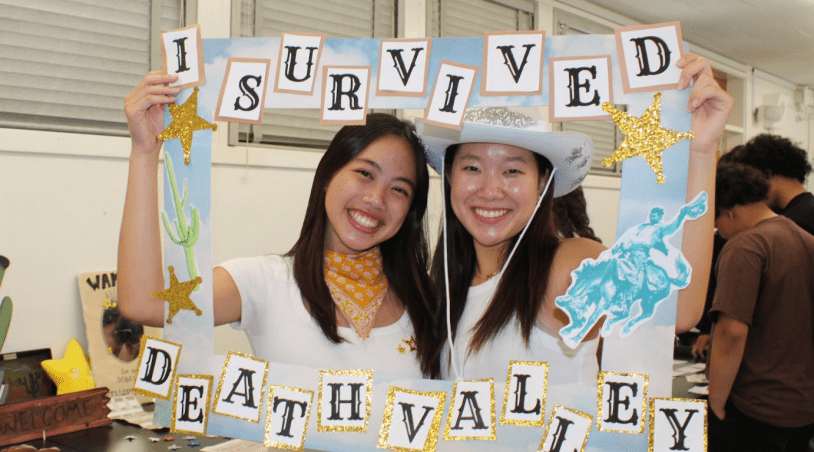
Every year, science teacher Wendy Hagan’s Advanced Placement Environmental Science (APES) class holds an Expo Showcase to share their biomes projects with one another. This year’s Expo took place on October 6. Students conducted an array of activities to teach their fellow classmates about their designated biomes.
Biomes are distinct geographic areas that are characterized by unique combinations of climate, plants, and animals. These biological communities form in response to the physical environment and shared regional climate. Biomes can include terrains such as the tundra, grasslands, and the forest.
In Hagan’s Biomes Project, groups of students are assigned a singular terrestrial biome to research and explore in depth. In order to persuade each other to “fund” the conservation of their biome, they must create pamphlets, videos, and more. Once they are done creating the project they hold an Expo, with each biome having its own booth. People decide on the biome that is the “winner” based on which display was the most persuasive. This is done to simulate a symposium and expo at a science conference.
At the Expo, students had fun teaching each other about the most prevalent issues facing their biomes. While playing games of trivia and jeopardy, they discussed environmental issues like poaching, deforestation, climate change, and other human disruptions to the environment. This fostered an interactive learning environment that addressed serious issues facing our world.
“Studying the biomes really helped me gain a deeper understanding of how human activities can disrupt the balance of ecosystems,” junior Eliana Valencia said.
Hagan has been assigned this project for the last 12 years. She created it with the intended purpose of making the study of environmental science more enjoyable for her students. Through this project, she hopes that students teach each other about the main differences between their biomes and how humans are impacting them. This will also ultimately help them prepare for the AP Exam in May.
“Every year, students always say how this project was one of their favorite projects in APES,” said Hagan. “Students like the various opportunities to express their strengths. whether through video, creative design, oral presentation, or written expression.”
Hagan continues to assign this project and many others like it with hopes of catering to all learning styles, rather than just lecturing and taking notes. By doing this, she helps make GHC a more engaging learning experience for all.
 The Plaid Press