By Stephanie Tran
Lunar New Year is a cherished tradition across numerous Asian cultures. It marks the first new moon of the Lunar calendar, as well as celebrating the reign of a specific zodiac animal, with 2024 being the year of the dragon.
Lasting 15 days, Lunar New Year prompts families to clean their homes and decorate with chrysanthemums, red lanterns, and intricate paper cuttings.
Along with decorating and preparing for the arrival of the new year, some who celebrate the holiday believe there are certain taboos to avoid to influence one’s luck and prosperity. For instance, it is customary to avoid cutting or washing one’s hair on the first day of the year because it is believed that doing so would wash away good luck. The same applies to washing clothes as it would be “pouring away your wealth” for the upcoming year. Many people also avoid sweeping the floors or cleaning their homes on the first day of the year to retain any fortune or luck from the holiday.
Even saying certain words during the festival is taboo. Any words associated with loss, poverty, or sickness are prohibited because you may be stuck with them for the entire year if you say them.
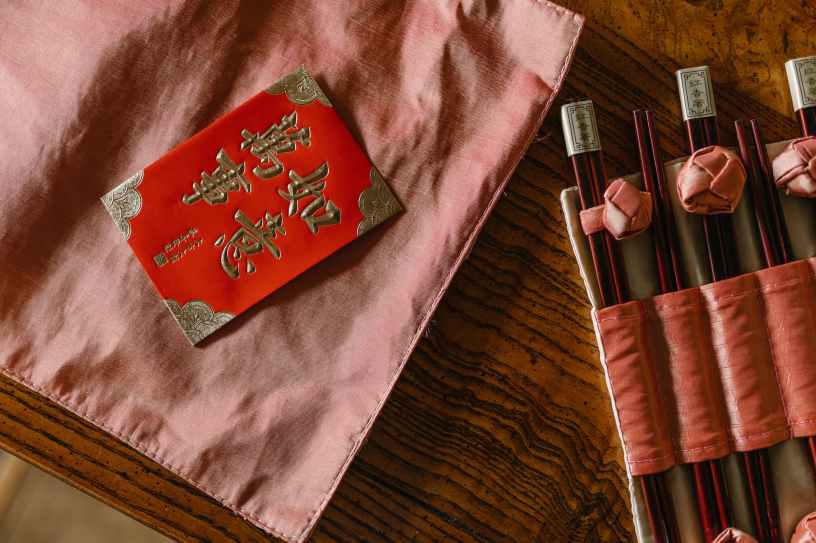
On the holiday, along with working to retain luck and prosperity, adults give out red envelopes with gold detailing to children. Often these envelopes contain money. These envelopes are meant to bestow good luck and an offering of good health.
Numerology also plays a significant role in the festivities, favoring even numbers over odd as they are considered luckier. However, the number four is avoided as it sounds like the Chinese word for “death.”
Another symbol that is important on Lunar New Year is color. Celebrants do not wear any black or white because those are the colors of grief and mourning. Instead, celebrants wear bright colors, such as yellow, red, or pink to bring joy and vitality to themselves.
Food choices are likewise laden with symbolism. Sticky rice balls represent familiar unity and noodles symbolize longevity. Vegetables are also commonly eaten as they symbolize cleanliness and prosperity.
Lunar New Year is more than just a personal celebration, however. It often involves the whole community with events such as lion dances and the setting off of fireworks to ward off evil spirits for the entire year.
Although the traditions vary among different Asian cultures and families, many celebrants uphold them as a way to safeguard their health and fortune. Whether deeply superstitious or just casually observant, the goal of bringing luck and hope for the year is popular with many.
 The Plaid Press