By Megan Guerrero
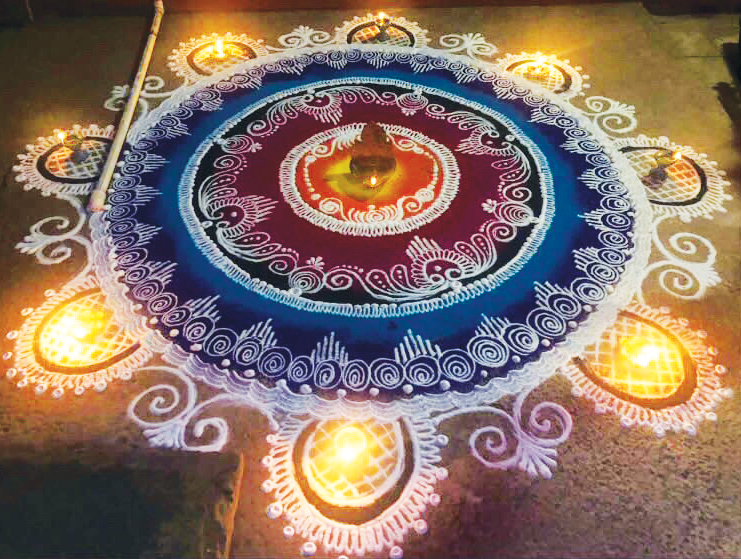
During Diwali, sparklers light up the dark skies, laughter fills the air as relatives and friends bond and bright diyas (small lanterns lit with oil) adorn temples and homes. Diwali marks one of the most sacred holidays for Hindus, Sikhis, and Jains, a time when communities come together to celebrate.
Diwali typically falls in October and November, as its dates are based on the Hindu lunar calendar. This year it began on October 31. Despite the variations in its timing, the core theme remains the same: the victory of light over darkness, good over evil, and knowledge over ignorance.
The name Diwali derives from the Sanskrit word deepavali meaning “row of lights,” which reflects the holiday’s focus on illumination.
Beyond its symbolic meanings, Diwali also marks the start of the new year in the Hindu calendar.
“Diwali also marks the start of the Indian New Year,” senior Chaya Prasad said. “This is the time to have a fresh start as you go into the new year with light in your life. During this time, a lot of family gatherings take place, feasts are made, gifts are exchanged, and prayers to certain Gods or Goddesses are made to start the New Year good.”
To prepare for the new year and Diwali’s religious ceremonies, many people clean their homes, eat clean, and buy new clothes. These practices emphasize renewal and purity, setting the stage for fresh beginnings.
Though Diwali has its roots in Hinduism and the ancient stories from the Vedas, the sacred texts of Hinduism, it has spread to other religions in India including Sikhism and Jainism. It commemorates various significant events across many religious histories. For instance, in the Sikh tradition, Diwali holds great significance.
“I go to the gurdwara [Sikh temple] every year if I can for Diwali,” senior Balraj Sumra said. “It is honestly one of my favorite holidays. The ‘new beginnings’ atmosphere is always refreshing, and it’s overall a really happy & heartwarming holiday.”
Despite regional and religious differences, one of the most prevalent customs during Diwali is lighting diyas. Other traditions include gathering with relatives, eating traditional Indian sweets and vegetarian dishes, and lighting fireworks.
“In America, we celebrate by dressing up, going to the temple, and praying to the gods to ask them to keep our world from succumbing into darkness,” senior Sharvari Wagle said. “Then, we wish good upon our family and lastly, we light up diyas around our homes.”
Diwali serves as more than just a day of religious observance or a time to welcome the new year. It is a festival of light, hope, and togetherness, bridging the gap between ancient traditions and modern celebrations. Whether lighting diyas, enjoying a festive meal, or simply getting together with loved ones, Diwali reminds us of the importance of community and renewal.
“It’s special that during these days of the year we, as an Indian community, gather and celebrate these kinds of festivities, and we have an excuse to practice our culture,” Wagle said. “Taking these moments to dress up to celebrate it with your family keeps you in touch with traditions that you aren’t really connected with, as well as the means of being together with your family”.
 The Plaid Press