By Elizabetta Orsi
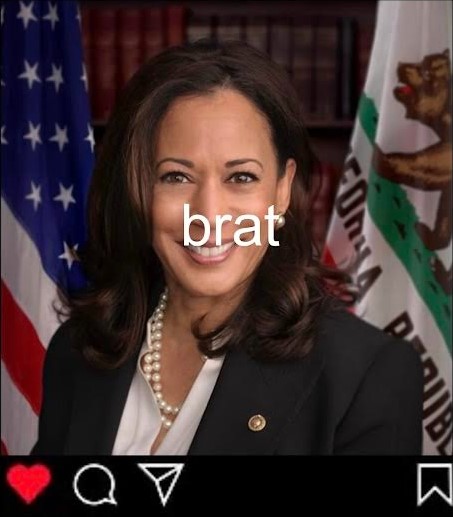
It’s safe to say that we were all taken aback when Vice President Kamala Harris rebranded her X (formerly known as Twitter) page to fully embrace the “Kamala IS brat” meme, changing her banner to a similar shade of chartreuse green. Meanwhile, former President Donald Trump was found sharing multiple AI-generated images of himself “rescuing kittens” from backyard barbecues on his Instagram page. Minnesota Governor Tim Walz has taken a similar approach, spreading the word about his personal recipe club on Instagram, adding a unique “homespun” touch to his political branding.
This trend of politicians rebranding their social media to fit current trends blurs the lines between satire and legitimate political branding.
Today, platforms like X, Instagram, and TikTok offer politicians a direct line to their constituents, an outlet where they can craft curated personas that even younger generations can relate to. But as social media increasingly replaces traditional marketing, it begins to raise questions about authenticity, transparency, and the long-term impact on America’s democracy.
On one hand, social media enables politicians to engage with people on a more personal level instead of being limited to press conferences and interviews. They’re capable of posting real-time updates, sharing personal moments, and responding directly to public concerns. This plays a crucial role in humanizing politicians, making them seem more relatable and attuned to the everyday issues (and trends) that voters care about.
“By engaging directly with voters, social media fosters a sense of transparency and authenticity, giving voters the opportunity to ask questions, share concerns, and receive timely responses,” AP Government and African American Studies teacher Wynter Williams-Adams said.
More importantly, it allows politicians to reach a wider audience. While not everyone may have the time to watch the news every night, most Americans certainly can take a few minutes out of their day to read a short social media post.
However, although these strategies might humanize politicians, they raise deeper concerns around authenticity, oversimplification, and the true role of public officials, especially in a world dominated by viral content. Social media algorithms are notorious for rewarding what is most engaging, which can incentivize politicians to prioritize snappy sound bites and eye-catching memes over well-thought-out statements on their policies. In some cases, social media marketing may not even be as effective as politicians think, with some users finding this form of marketing quite bothersome.
As social media becomes more popular, it only makes sense that political content is also forced to compete in the attention economy. However, it’s important to note that this form of simple marketing often leads to partisan bickering or oversimplification of complex issues in certain political social media circles. Instead of sparking conversations on real political issues, these internet spaces often revolve around the personas politicians craft for themselves.
As voters, it’s essential to see beyond the polished personas and viral posts created on social media. While it’s tempting to fall in love with a politician’s clever meme or satirical Instagram post, these online performances must not distract us from the issues that matter. Political literacy is key to making informed decisions. This means looking at a candidate’s track record, policies, and ability to govern, not just how they brand themselves online.
“Enhancing political literacy is essential for students who want to be informed and engaged citizens,” Williams-Adams said. “It’s important for young people to diversify their news sources. While listening to a favorite TikToker can be entertaining and occasionally informative, relying on just one source, especially social media, is not ideal for staying well-informed.”
Take the time to dig deeper, question what politicians stand for, and consider how their actions (not just their internet presence), will impact our community. Social media is a powerful tool, yet our democracy relies on voters who prioritize substance over spectacle.
 The Plaid Press