By Sofia Abdelrahim
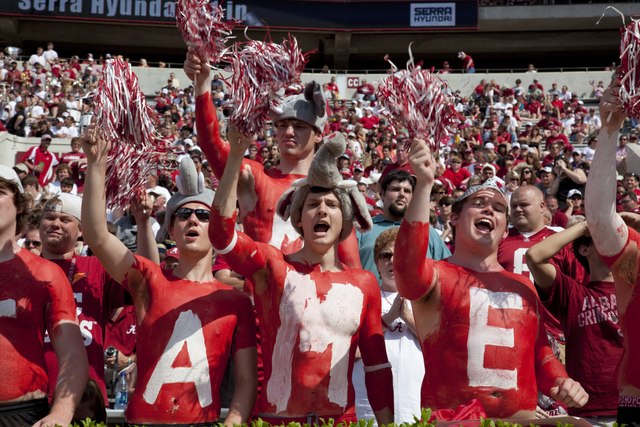
Football is one of the most anticipated sports in high school, maybe even the entire United States. It brings teamwork, school spirit, and pride in your peers. However, behind that excitement likes something more troubling: a culture that idolizes players to an unhealthy degree.
According to a survey completed by S&P Global, 45 percent of surveyed adults said they watch NFL football games. The survey also pointed to football as the most popular sport in the United States.
With that popularity comes millions of passionate fans, some of whom cross the line from enthusiastic to obsessive.
Take Eagle’s fans for example. On February 9, 2025, after the team defeated the Kansas City Chiefs, fans took the streets of Philadelphia and absolutely trashed the city. Videos even showed people carrying a light post that had fallen in the chaos.
ABC News reported several injuries after a car drove into a crowd in the Spring Garden section. If this happens as a form of celebration, imagine what happens when they lose.
Now, this is not an attack on the Eagles or their fans. As a matter of fact, I like the Eagles. However, the obsession with football and their respective players is unhealthy. It leads to violence, pressure on young, impressionable athletes, and a toxic environment for everyone involved. This extreme allegiance and devotion isn’t just reflected in real life, but also pop-culture.
In the movie “HIM,” viewers see the trope of the crazed fan who takes his obsession to extremes. Early in the film, the protagonist Cameron Cade celebrates a win of the fictional San Antonio Saviors, even as a star player Isaiah White suffers a serious injury on the field. Cameron’s father praises the injury as a badge of honor, saying, “You see that Cam? That’s what real men do. They make sacrifices. No guts, no glory.”
An intense obsession for football players isn’t just fictional, but a real-life issue as well. Dr. Park Dietz, stated in a New York Times article, found “…more American athletes and other celebrities have been stalked and or attacked in the last decade than in all previous U.S. history.” This led me to interview our own GHC football players, and here’s what they had to say.
Senior Justin Rico, an offensive linebacker for the varsity team, said, “I feel like some people do respect football players a little more. I do feel that people do take football too seriously. I feel like they let it consume them, and let it become their lives.” He adds that he feels people are intimidated by football players, as if they’re some higher being.
Another GHC football player, sophomore Austin Mickelson, said “…when you lose, like a really important game, people (students) are not happy with you.”
While football can bring community and pride, it can also bring violence, anger, and obsession at an unhealthy rate. Not only are professional football players that are affected by crazed fans, but high school football players are as well. No matter the age, or if it’s fiction, idolization is harmful. As a society, we should strive to enjoy sports without letting it take over our lives.
 The Plaid Press