By Kaitlyn Logan
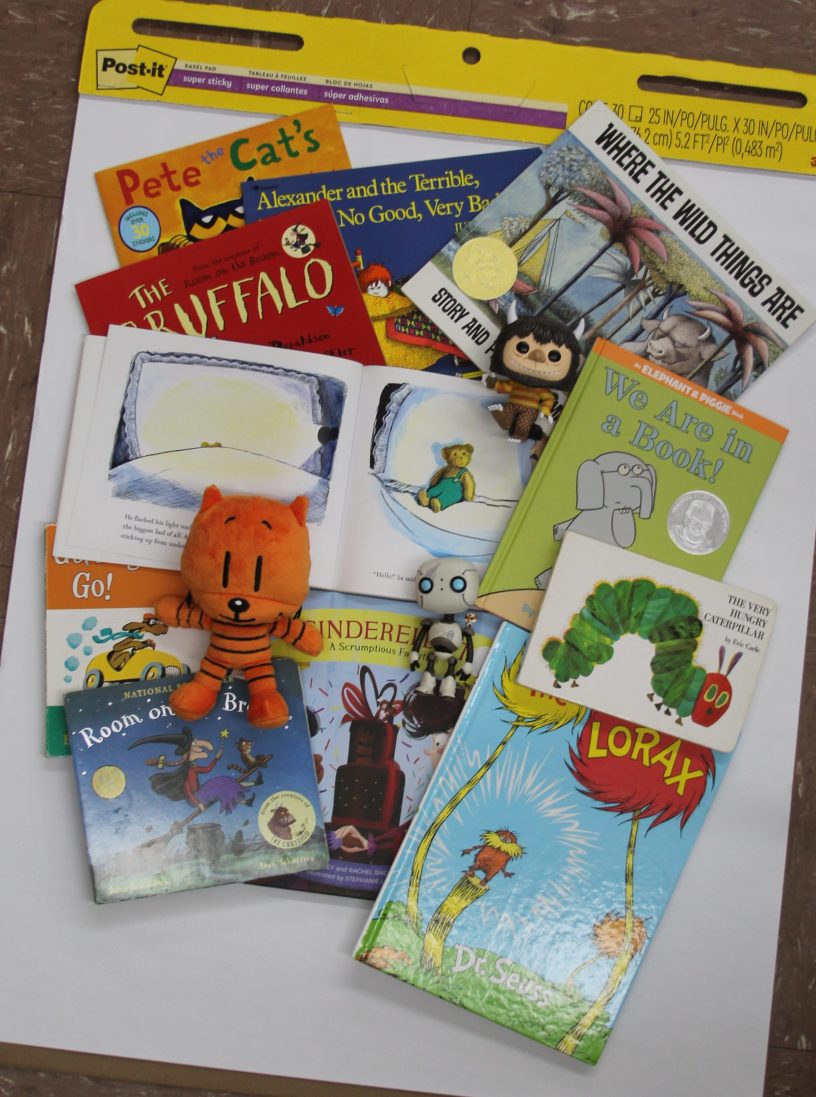
You’re sitting criss-cross apple sauce on a rainbow carpet, listening as your teacher crouches in front of the class and reads a book aloud. You pay attention mostly when she flips the pages around to show the colorful illustrations. Among the catalog of books that are lined up in your elementary classroom include “The Rainbow Fish” by Marcus Pfister and “Charlotte’s Web” by E.B. White. At the time, these stories feel simple, but they quietly teach lessons about kindness, generosity, and empathy that stay with us long after childhood, even if our then tiny brains are only focused on the pictures.
As we grow older, however, the lines between right and wrong can begin to blur. Life becomes more complicated, and people often justify selfishness or cruelty in ways children rarely do. However, children’s authors convey their messages through rhythmic language and bubbly illustrations, making ideas like kindness and compassion feel natural. Because young readers have little life experience to shape their views, they easily relate to characters regardless of race, gender or nationality.
In many ways, a lighthearted picture book can inspire more empathy and hope than a serious headline in the news. Before we were taught to judge, ridicule or even be mean, these books built the foundation of understanding and caring for the people around us. In the “Rainbow Fish” a fish covered in beautiful scales eventually learns that sharing his beautiful scales brings him friendship and happiness. This message is simple, but it reinforces an idea many adults struggle to practice: generosity creates connection.
Children’s books also show that meaningful lessons don’t require complicated language or dramatic speeches. A single line from a children’s book like “Charlotte’s Web” that captures the power of kindness through the classic tale of a pig, spider, and a little girl that illustrate clear compassion. “By helping you, perhaps I was trying to lift up my life a trifle. Heaven knows anyone’s life can stand a little of that.” Through Charlotte’s quiet act of helping Wilbur, readers see how small gestures of compassion can change someone’s life.
As children we easily understand ideas like cleaning up after ourselves, sharing toys, or or saving a place in the recess line. Yet those same things often seem harder to apply in the real world as we grow older. What might look like a simple fairytale lesson in a children’s book actually reflects ideals adults struggle with such as love, expectations and biases—-like helping out a teammate, or navigating your homework schedules.
Even though they are written for young audiences, children’s books preserve the complexity of human emotions through a basic rhyme and simple graphics. A 30-page picture book composed of simple words and bright images teaches a great deal about who we are and what we’ve grown up valuing. They are also reminders of the empathy and kindness basic principles we should never outgrow even as the issues we face as we get older go further than surface level. Changing from choosing your BFF to choosing the right college, children’s books keep us grounded in the simple things.
 The Plaid Press