By Francesca Catanese
“We have a low-IQ person, you know, because Gavin Newscum has admitted that he has learning disabilities. Honestly, I’m all for people with learning disabilities, but not for my president. I think the president should not have learning disabilities, okay, and I know it’s highly controversial to say such a horrible thing.”
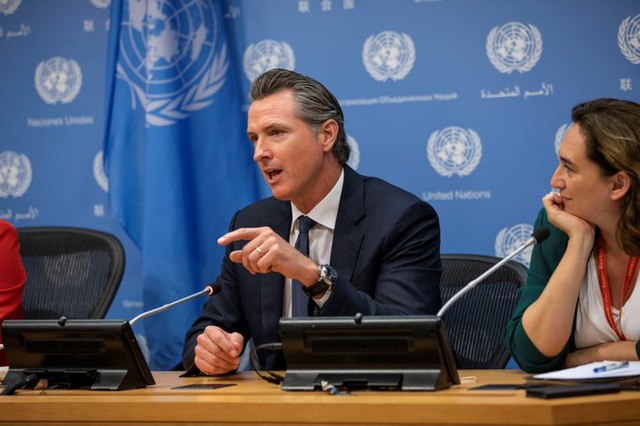
Those words were spoken in early March by President Trump to reporters in the oval office, in reference to California Governor Gavin Newsom’s probable bid at the presidency in three years. Newsom had recently discussed his experience with dyslexia with the press, while promoting his memoir “Young Man in a Hurry.”
Trump failed to mention, however, that numerous American presidents have had dyslexia, as well as other learning disabilities, physical disabilities, and disorders.
Arguably the three most influential, recognizable and respected presidents, George Washington, Thomas Jefferson and John F. Kennedy, are all thought to have had dyslexia.
Historians believe each had the disability, as they notably struggled with spelling, grammar and writing as children and throughout life. Yet Washington still became the first president of the nation and one of the most respected historical figures in the American canon. Jefferson’s writings are lauded today as the bedrock of American democracy. JFK, whose youth and optimistic outlook shaped American culture, is perhaps the most beloved president of all time.
Other presidents have variably dealt with other disabilities, like severe hearing loss on the part of Ronald Reagan and Bill Clinton, with both using hearing aids during their terms.
Abraham Lincoln, today appreciated for ending slavery and keeping the country together through the Civil War, struggled with major depression and anxiety throughout his life, to the point where he experienced incapacitating migraines.
Joe Biden has talked openly about his severe stutter, and how he overcame it to become a public speaker. He went on to have a long career in politics, as senator, vice president and president of the United States.
Lastly, and most famously, at 39 years old Franklin Delano Roosevelt drank contaminated water at a campsite and contracted polio, becoming paralyzed from the waist down. He had to use a wheelchair to get around, but achieved a victory in World War II and set the foundation for modern social services with the New Deal.
These men did not let their disabilities stop them from being great leaders, though during their time they had to hide their struggles. We have come far from that moment, with recognized awareness days for autism, dyslexia, and the 80 year old tradition of National Disability Employment Awareness Month, every October.
President Trump’s words diminish the hard work that disability advocates have been doing for years, trying to show the world that having disabilities is not shameful, nor does it prevent people from achieving the same goals as those without disabilities.
Let us not turn the clock back, to times when disability was hidden for fear of public recourse. If more people like Governor Newsom speak out about their experiences, we can move forward in a society that does not let our differences define us. If former presidents accomplished all they did, the next generation of leaders will do even more with modern support and recognition.