By Anthony Sanchez
The 2026 FIFA World Cup witnessed the rise of an unexpected footballing superpower, not just on the pitch, but in the hearts of global fans. Making their first appearance since 1998, the Norway Men’s National Football Team captured the world’s attention with a historic run to the quarterfinals, transforming the North American summer into a vibrant Nordic carnival.
Norway’s tournament was defined by an electric connection between the squad and its supporters. From Miami to New York City, Norwegian fans introduced the world to the “Viking Row.” This synchronized, rhythmic fan celebration, complete with powerful chants and booming drums, became a viral sensation unifying traveling Nordics and newly converted local American and other fans.
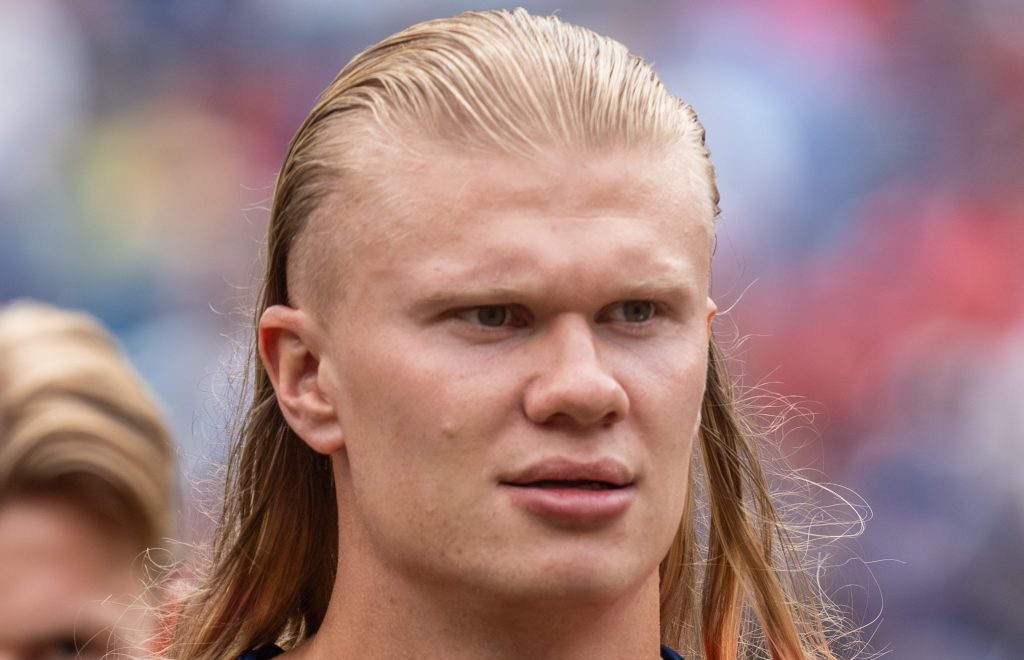
The emotional narrative deepened on the roster, which featured a unique fairytale. Stars like Erling Haaland (son of Alf-Inge), Kristian Thorstvedt (son of Erik), and Alexander Sorloth (son of Goran) all wore the national crest on the exact same stage their fathers once graced. On the turf, Norway backed up the hype with historic knockout-stage victories over the Ivory Coast and a bulky Brazil.
Though their fairytale run finally met a dramatic end in a 2-1 extra time heartbreak against England in the quarterfinals, the defeat did nothing to dampen the euphoria.
“This experience changes Norway and myself,” talismanic forward Haaland said, as reported by ESPN. “We are building on something. Our progress is already evident and it’s about maintaining it. Norway has shown it’s possible to be one the biggest football nations.”
Haaland later added that despite leaving the pitch empty-handed, the historic campaign had undeniably “put Norway on the map” in the modern football era. When the team returned home to Oslo, they were greeted by over 100,000 fans outside the Royal Palace, proving that while they didn’t bring home the trophy, Noteworthy Norway had completely captured the world’s hearts.
Norway’s historic run does more than simply fill in a page in the history books; it signals a permanent shift in the global football hierarchy. For decades, the nation was viewed as a winter-sports paradise where football was an afterthought. By proving they can go toe-to-toe with traditional giants like Brazil and England, this golden generation has smashed that stereotype and set the scene to ignition for new youth back home. The massive financial windfall and surging infrastructure investments following this tournament ensure that Norway is no longer a fleeting tournament Cinderella, but a rising powerhouse built to challenge at the sport’s top flight.

 The Plaid Press