According to Merriam-Webster, “woke” is defined as being “aware of systemic racism, prejudice, social inequality, and supporting marginalized groups.” The term originated from American Vernacular English and later entered mainstream discourse. Now, you may also hear the word on Tiktok when an influencer accuses another of not liking their posts.
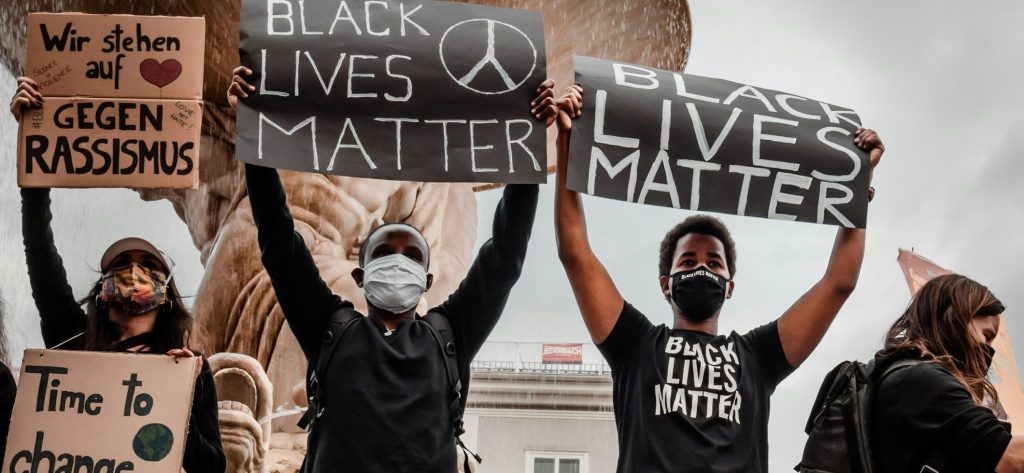
The term has been central to Black political consciousness since the early 30s and carried on to be a key phrase in the discussion of the Black Lives Matter movement in 2014 and 2020. It was later adopted by non-Black communities to address matters of race and gender.
As someone born into Generation Z, the term is widely used on social media as an insult (which strips its entire purpose) and simultaneous compliment; The phrase could mean being a genuine role model for activism or calling out the wrong-doings of the public. But how can you tell when someone is doing what’s right or simply wanting a gold star? Where does the line blur between wanting public approval and feeling genuine disdain for discrimination?
For example, someone who raises awareness about racial inequality might be called “woke.” Someone who calls out discrimination could also receive the label. But a person who makes a poorly reasoned argument about a social issue can also be called “woke.” These actions are not necessarily the same.
Raising awareness can help people understand an issue, while a poorly supported argument can spread misinformation or oversimplify a complicated conversation. Yet social media often treats all these behaviors as if they belong under the same label.
This is where the meaning of “woke” begins to become complicated. Being aware of discrimination does not automatically make every opinion or argument about discrimination correct. In fact, attempting to appear socially conscious without understanding the issue can do the opposite of what activism is supposed to accomplish. Instead of asking whether someone is “woke,” we should examine the evidence behind their claims, how they treat the people involved, and what they actually do with their awareness.
Social media makes these conversations even more difficult because controversial statements can receive more attention than thoughtful explanations. A controversial post may encourage hundreds of people to argue in the comments, while a detailed explanation of an issue may receive much less attention. Rather than assuming that everyone who posts about social issues is looking for attention, we can look at the behavior itself: Is the information accurate? Is the argument supported by evidence? Does the post actually contribute to the conversation, or does it reduce a complicated issue to a shocking statement?
“The problem stems from people policing each other on morality rather than addressing the issues at hand,” Junior Atiana Lofton, said. “They do it to make themselves look superior rather than because of an actual sense of justice.”
There is nothing inherently wrong with being aware of injustice. Calling attention to discrimination, learning about different experiences, and standing up for marginalized communities are meaningful forms of activism. However, awareness without understanding is performative, and activism motivated primarily by attention can lose its purpose. Perhaps “woke” has not completely lost its meaning; perhaps we have simply made the word so broad that it can describe both genuine social awareness and a person trying to earn applause online.
“Woke” has proven time and time again that the voices meant to represent our community obscure the meaning of words detrimental to important causes for the sake of views. The social activism and awareness is not completely erased but muddied with poorly reasoned arguments and insults by the public. Instead of asking whether someone is “woke,” we should ask what they are actually saying and doing with their awareness. A label cannot tell us whether an argument is correct or whether an action creates meaningful change. Looking beyond the label can.