By Mia Mendez
Growing up, my family embraced the term “morena,” commonly used among Mexicans to describe a woman with dark features. My sisters and I spent the summers under the sun, and when our skin became darker and rich with color our mother would make us feel like it was a gift some would kill for. My mother was also the reason I stayed away from flat irons because it would disrupt the coils and curls on my head. It wasn’t until I entered my adolescence that I realized the admiration of textured hair and tanned skin was not shared worldwide.
When I was in sixth grade, a student in my class told me he preferred my straight hair because my curly hair “looked dirty.” It wasn’t directly a jab at my race, but it stung just enough to make me question the love I had for my heritage. I later learned that the confusion caused by that comment was defined by the term “microaggression;” the insults, putdowns, and racism masked by slick comments. We are taught that racism takes the shape of one form but it has many. We hear them every day, and yet, we are told that “it’s just a joke” and discouraged from speaking up.
This experience of mine is shared by many others who may not even be familiar with the term microaggression. Microaggression refers to the subtle, often unintentional comments, actions, or behaviors that communicate negative messages or stereotypes toward minority groups. The harm created by microaggressions is largely comparable to the damages done by explicit racism because of the bias it subtly enforces.
We see them everywhere, for example when minorities in the workplace are assumed to be “diversity hires,” or when women of color are told “You’re beautiful for a (insert race) girl,” and told to turn a blind eye.
Being the butt of a joke because of your racial identity can be humiliating. But aside from the humiliation, it also creates an extremely uncomfortable environment.
“In class, we watched a movie about 9/11 and a student turned around and compared my religion to the terrorists in the movie,” senior Inayah Youines said. “Usually when I tell people I’m Muslim, the look on their face changes and I can tell the assumptions they’re making about me.”
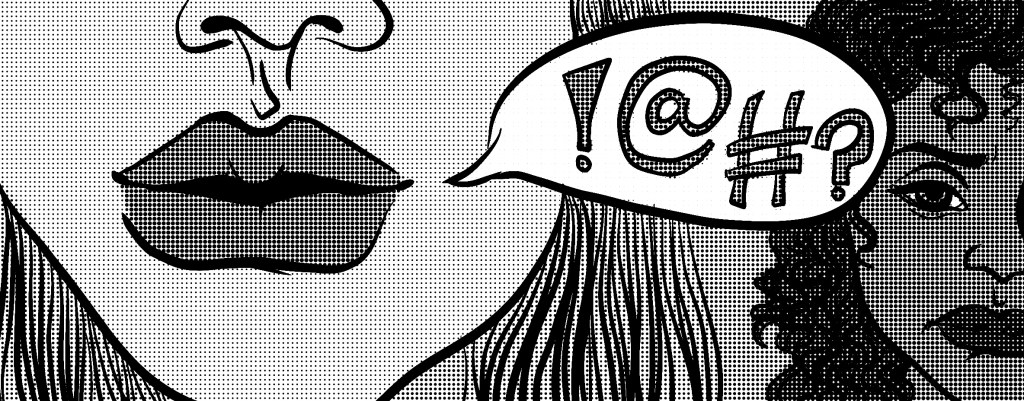
People often find it hard to speak up so as not to feed into stereotypes. As a Latina woman, I often fear that being loud or too outspoken will cause people to see me as a stereotype or compare me to caricatures they have seen in the media.
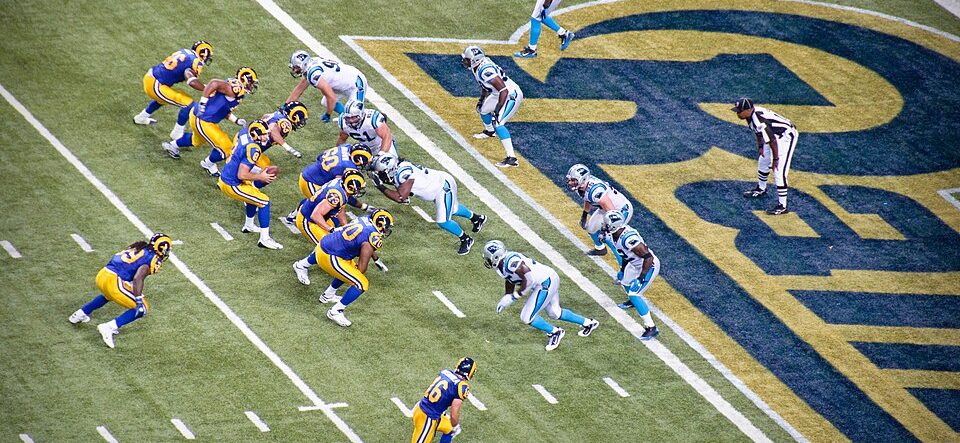
Senior Kanye Martin shared a similar experience when he spoke on racism within his football community.
“In sophomore year, we played against a team that called us every racial slur possible,” Martin said. “Of course I was mad, but when it comes to football we can’t do anything about it. You play it out on the field.”
The burden is put on us as minorities to excuse this behavior and brush it off so that it does not interfere with our everyday lives. As our identities and heritage get demoted to a punchline, we are supposed to sit idly by and the ones who do not are seen as overdramatic or sensitive.
“It comes from a place of misunderstanding,” senior Amaya Mazone said. “They’re not aware of the words that they’re using and how it comes off.”
Although microaggressions may be unintentional, we are not taught how to correct those biases. In our education system, racism is taught as two-dimensional, the Civil Rights Movement happened, and here are some heroic stories of how people escaped racism. We were never taught how to spot those who are being hateful to us because people aren’t taught how to correct their own biases, let alone those of others.
This lack of education among our institutions perpetuates the misconception that racism masked behind a laugh and a slick joke is not as severe as blatant racism. As a community, we must call those out who create that subtle barrier between us and fix the inequality we are trapped in.