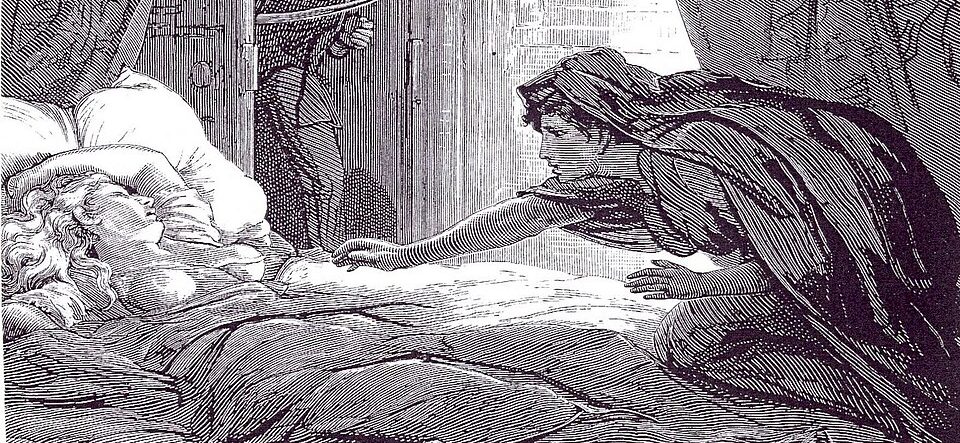
In July 1518, the streets of Strasbourg were flooded by one of history’s most baffling phenomena: the Dancing Plague. A mystery at the time, many historians today speculate that the dance was a result of mass hysteria triggered by severe famine and poverty, both of which exacerbated diseases such as smallpox and syphilis. Historians also believe that a belief that local Saint Vitus could curse people with uncontrollable dancing fueled the outbreak. Its cause, however, remains uncertain.
Today, people rarely need a supernatural explanation to start moving. Sometimes, a familiar beat is enough.
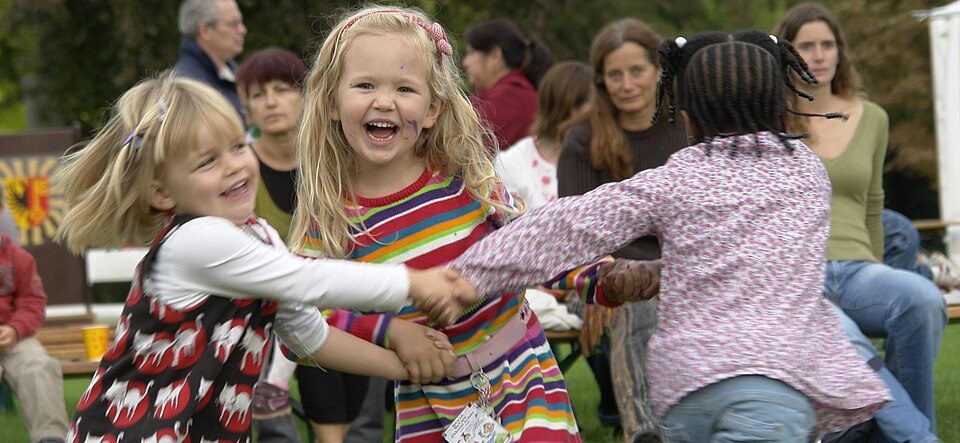
With a twist, a twirl, and shake, dance turns music into movement. Whether people are learning choreography online, joining an exercise class, or celebrating a cultural tradition, dancing offers a way to express oneself and connect with others.
In the twenty-first century, we are drawn to dance across social media through the widespread popularity of online dance trends and tutorials.. Dance has become even more accessible and unique through this trend.
Dance may also offer benefits beyond learning the latest routine. A 2023 systematic review published by the Journal of Dance Medicine & Science examined 10 randomized clinical trials involving 933 adults. Researchers found that participants in dance interventions experienced reductions in anxiety, stress, and depressive episodes.
Physical activity of all types releases dopamine. However, dance gives exercise a different format. In a dance fitness class such as Zumba, participants follow choreography instead of counting repetitions or tracking miles. However Zumba or any dance style exercise maintains the rigor while hyper focusing on coordination, balance and even memory to keep pace with the advanced footwork.
Beyond individual expression and exercise, dance can carry a community’s history.
Puerto Rico’s bomba tradition, for example, developed among enslaved Africans and their descendants centuries ago. In the bomba style, the dancer makes a movement and the drummer responds through sound. Barrel drums, maraca, and wooden sticks called cuá accompany the performance. The plan, developed later, features a more energetic or group style meant for street festivals. The plan also incorporates lyrics that tell stories, address current events, and comment on community life.
These cultural dances can also reach large audiences through televised performances. Bad Bunny’s 2026 Superbowl halftime show brought several dance styles into one production in order to celebrate the communities behind the music.
Cultural dances have also helped shape the music people dance to. Latin Bugaloo emerged in the 1960s through a blend of Latin, African American, and pop influences. Salsa also grew through musical traditions from Cuba, Puerto Rico, and the U.S. These styles reflect the communities that created and transformed them.
From a group following the same choreography to a dancer exchanging movements with a drummer, dance gives people shared language. The setting and steps may change, but the invitation is the same: hear the music and join in.