It’s that time of year again. The streets are decorated with glowing pumpkins, ghosts hang from doorways, skeletons and spiders appear in store windows, while black cats stare out from Halloween decorations with glowing eyes and arched backs.
Although most people see these cats as a fun part of the spooky season their association with Halloween has a much darker history. For centuries, cats, especially black cats have been connected to witchcraft, bad luck, and the supernatural. These beliefs have helped shape how people view them even today.
So, how did an ordinary household pet become one of Halloween’s most famous symbols? And why does this centuries old superstition still matter?
Some of Halloween’s roots can be traced to Samhain, an ancient Celtic festival marking the end of the harvest and the beginning of winter. Celebrated around the end of October, Samhain was associated with the changing seasons and in some traditions the belief that the boundary between the living and the dead became thinner.
As Christianity spread throughout Europe the observance of All Saints’ Day became associated with this time of year. The evening before All Saints’ Day eventually became known as All Hallows’ Eve, which developed into the Halloween celebrated today.
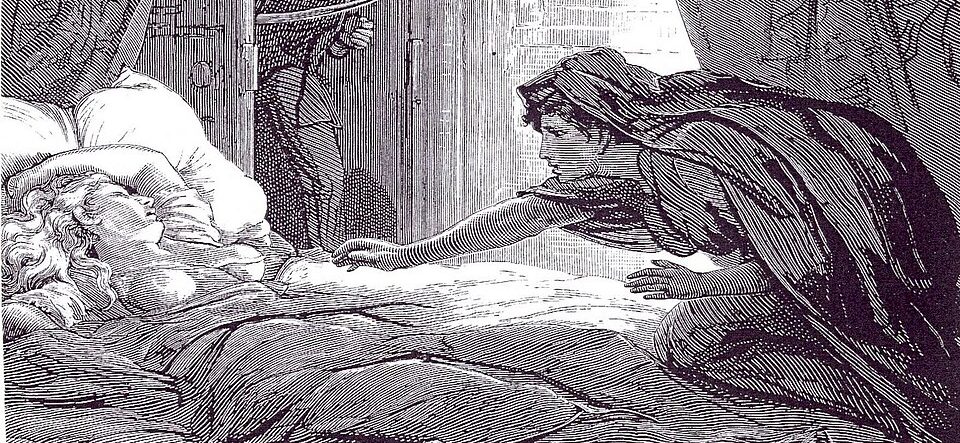
Long before witches became popular Halloween costumes, accusations of witchcraft had horrible consequences for people.
During the witch hunts across parts of Europe and colonial North America multiple people were executed for allegedly practicing witchcraft. Women made up the majority of those accused in these witch hunts. Religious tensions, community conflicts, and fear of the unknown often fueled these accusations.
So where do cats fit in this story?
European folklore sometimes described witches as having familiars, which is an animal companion believed to help them perform magic. Cats became common characters in these stories due to their nighttime habits.
In reality, many people during these times kept cats for ordinary reasons such as controlling rodents around their homes. Having a cat did not automatically make someone a target for witchcraft accusations, but existing superstitions helped connect the two in popular imagination.
The women accused of witchcraft were not the evil characters often portrayed in Halloween media. Many were intellectual women caught during a time of fear and their supposed connection to cats helped create the familiar image of a witch accompanied by a black feline.
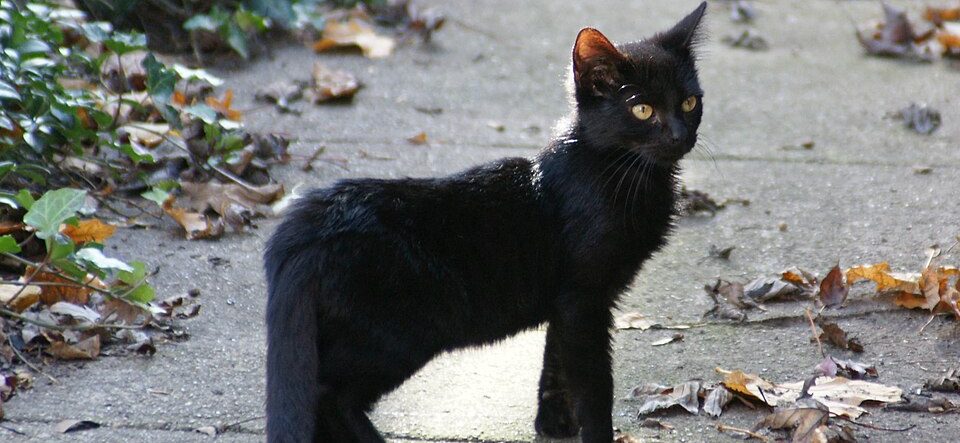
Black cats became associated with bad luck and witchcraft. Their dark coats made them fit easily into stories about shadows and the unknown. Some people believed they were witches in disguise or supernatural entities that brought misfortune.
These beliefs were never universal. In some cultures such as in Japan black cats are bringers of good fortune and traditionally believed to help single women attract suitors. Most famously in ancient Egypt all cats including black cats were seen as sacred due to their connection to Bastet the goddess of fertility, and motherhood.
Black cats can face challenges even today. Animal shelters have long discussed how appearance can affect adoption decisions and black cats may be overlooked in favor of cats with a different fur color/pattern.
Halloween also brings concerns about animal safety. Some shelters restrict black-cat adoptions around the holiday because of fears about potential harm or impulsive adoptions. A cat’s fur color says nothing about its personality or whether it brings good or bad luck. Black cats can be just as affectionate and loving as any other cat.
Halloween is a time to celebrate mystery. But behind the witches and black cats are centuries of beliefs that caused real harm.
The next time you see a black cat as Halloween decoration remember that its reputation was built on superstition not fact. The women accused of witchcraft were often victims of fear and the cats associated with them were just ordinary companions.
As we hang on to the last of this year’s spooky season, let’s do so without carrying harmful myths. Keep cats safe and remember that every feline deserves someone to love.